Wooden Cutting Board: How to Choose the Best Chopping Board and Why It’s Better Than Plastic
A wooden kitchen cutting board (also called a chopping board) is one of the most used kitchen tools—yet its selection is often underestimated. The right wood species, thickness, and finish determine whether your cutting board will last for years—or warp quickly. In this article you’ll find a practical guide on how to choose a quality kitchen cutting board, which wood is best, and how to clean a wooden cutting board.
Quick buying tip: If you want one wooden cutting board “for everything,” look for solid wood, at least 2–3 cm thick, and a surface treated with a food-safe oil. For meat, a board with a juice groove is also great to catch liquids.
Why a wooden cutting board is better than a plastic one
- Knife-friendly – wood doesn’t dull blades like glass or stone.
- Naturally hygienic – quality wood has natural antibacterial properties.
- Long lifespan – wooden boards can be sanded and re-oiled.
- Looks – fits modern and rustic kitchens, and often makes a great gift.
The best cutting board: which wood to choose
Beech cutting board
Beech is the most common choice: hard, sturdy, with a fine grain. Great as an all-purpose chopping board for everyday cooking.
Oak cutting board
Oak is extremely durable and can handle heavy use. It has a bold grain and feels “premium.” If you want a truly solid cutting board, oak is a safe bet.
Maple cutting board
Maple is light, smooth, and modern. It’s hygienic and easy to maintain—often chosen as a wooden kitchen cutting board for bright kitchens.
Walnut cutting board
Walnut is darker and design-forward. It’s often used as a serving board (for cheese, tapas, bread), or as a gift.
Board construction: why it matters
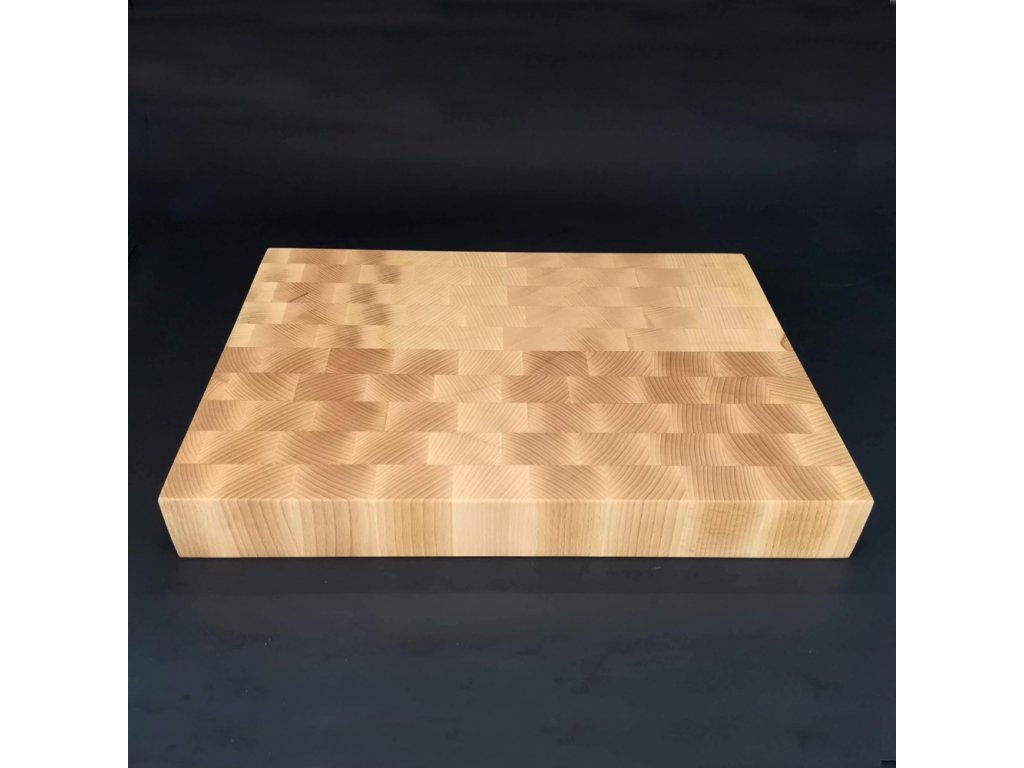
- Laminated (glued strips) – stable, holds its shape well, often thicker (great for chopping).
- Single-piece “slab” – beautiful grain, but thinner pieces have a higher risk of warping.
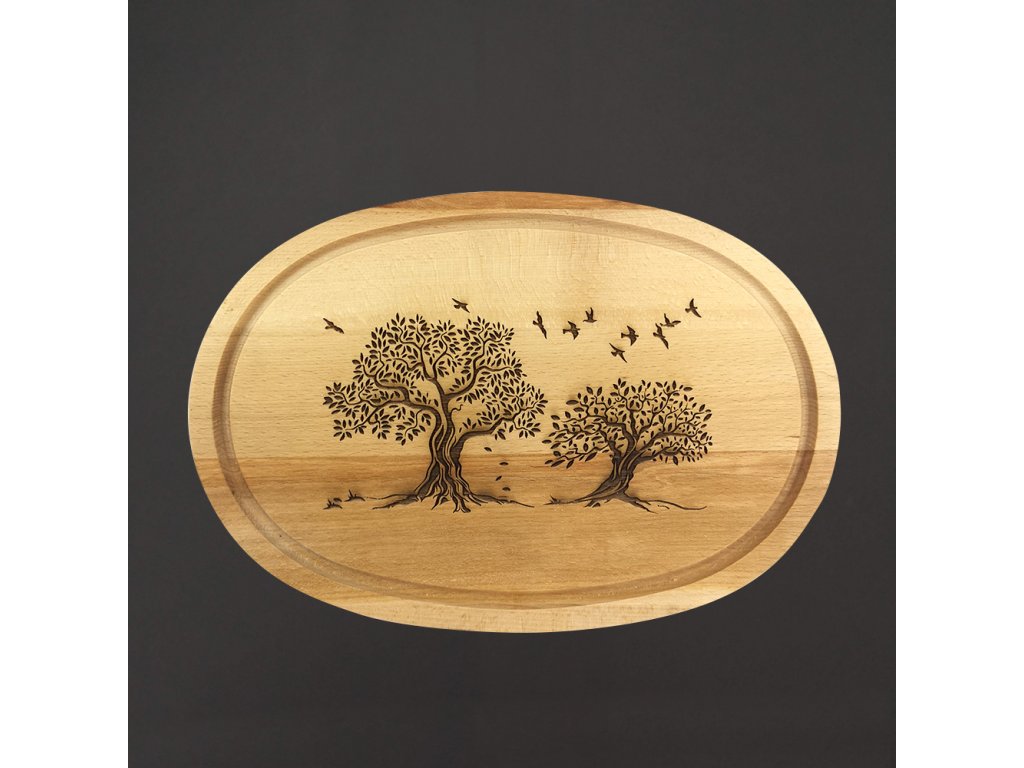
- Board with a groove – ideal for meat and juicy ingredients, less mess on the counter.
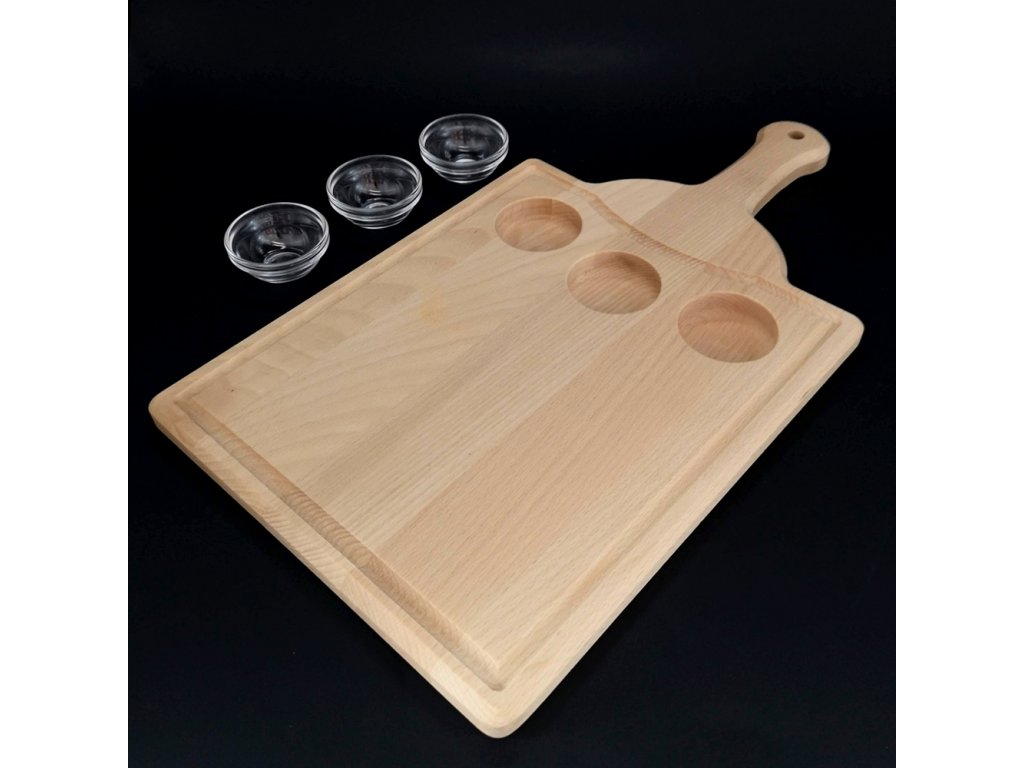
- Serving board / tray – mainly for presentation and serving.
Checklist: how to choose a quality kitchen cutting board
- Thickness – thicker boards warp less (often the best choice for “the best cutting board”).
- Size – a large board is more comfortable if you cut a lot.
- Surface – smooth, splinter-free; ideally pre-treated with food-safe oil.
- Purpose – one board for meat, another for bread; a serving board for presentation.
Warning: Never put a wooden cutting board in the dishwasher. High heat and prolonged moisture cause cracking and warping.
Wood vs. plastic, bamboo, and glass cutting boards
Plastic cutting boards are often cheap, but they develop deep grooves quickly where dirt can linger. The biggest downside is that they are a significant source of microplastics in the human diet.
Bamboo cutting boards are hard, but can be quite “aggressive” on knives, and glue quality matters. Bamboo boards imported from Asia are often bonded with formaldehyde-based adhesives, which are banned in Europe and the USA because they are harmful to health. Additionally, for sea transport they are commonly treated with fungicidal solutions against mold.
Glass cutting boards are easy to wash and hygienic, but they’re the worst for knife edges—they dull them immediately.
A quality wooden kitchen cutting board, with proper care, is great to use, pleasant, and sustainable long-term.
How to clean and care for a wooden cutting board
- Rinse with lukewarm water after use and dry immediately.
- Don’t leave the board soaking in water.
- Condition it regularly — use cutting board oil.
- For odors, lemon helps, or light sanding.
Cutting board oil: The most common choice is mineral oil for boards (odorless, stable) or any food-safe oil. Apply a thin layer, let it soak in, then wipe off the excess.
Quick chemical-free disinfection: Sprinkle salt on the surface, rub with half a lemon, leave for a few minutes, then wipe. Rinse and dry afterward.
When is it time to replace the board?
If the board is heavily cracked, deeply damaged, or can’t be restored by sanding, it’s time for a new one. A quality wooden cutting board, however, can last many years with proper care.
FAQ – most common questions about wooden cutting boards
It depends on use—usually once every 2–4 weeks. The more you cut, the more often you’ll want to apply cutting board oil.
Yes—quality wood has natural antibacterial properties. The key is to wash and dry the board after every use.
A thicker cutting board (beech/oak), ideally with a juice groove to catch liquids and keep the workspace clean.
Lemon and salt help, or light sanding followed by re-oiling.
If you want one universal wooden kitchen cutting board, choose beech. For maximum durability, go for oak. For serving, walnut or a design serving board works well. Proper care (cleaning + oiling) makes the biggest difference.
Wooden cutting boards for the kitchen – choose your style
Three proven picks from the cutting boards category— for chopping, serving, and gifting.