
Balcony Planters: How to Choose Them and What to Plant All Year Round
Balcony planters are an ideal solution for anyone who wants to grow flowers, herbs, or vegetables but doesn’t have a garden. The right planter and a well-thought-out planting plan can turn even a small balcony into a pleasant green oasis and keep it looking great all year round. In this article, you’ll learn how to choose planters, what to watch out for, and what to plant in each season.
Tip: If you want a natural look on your balcony, wooden planters feel warm and timeless.
How to Choose Balcony Planters
Choosing the right planter is the key to success. It’s not only about looks, but mainly about functionality, durability, and the conditions your balcony offers. The size of the balcony, its orientation, and the type of plants all play an important role.
Planter Size and Depth
A planter that’s too small dries out quickly (especially in summer), while a larger container holds moisture better and gives roots more space. For vegetables and herbs, depth is more important than for ornamental annuals.
- Smaller balconies – narrow and lightweight planters, ideally hanging or along the railing
- Larger balconies and terraces – deeper or raised planters
- Herbs and annuals – do fine with less depth
- Vegetables – need more root space and stability
Wooden and Raised Planters
Wooden planters are popular for their natural look and their ability to insulate roots better from overheating and cold. Unlike plastic, they don’t look artificial and easily fit the overall balcony style. Raised planters are also comfortable to maintain and are especially suitable for larger spaces.
Practical tip: If you want to grow vegetables (tomatoes, peppers), choose a deeper planter and plan for support (stakes, spirals). For ornamental flowers, the length of the planter often matters more (a fuller effect).
Recommended Planters from Amadea.cz
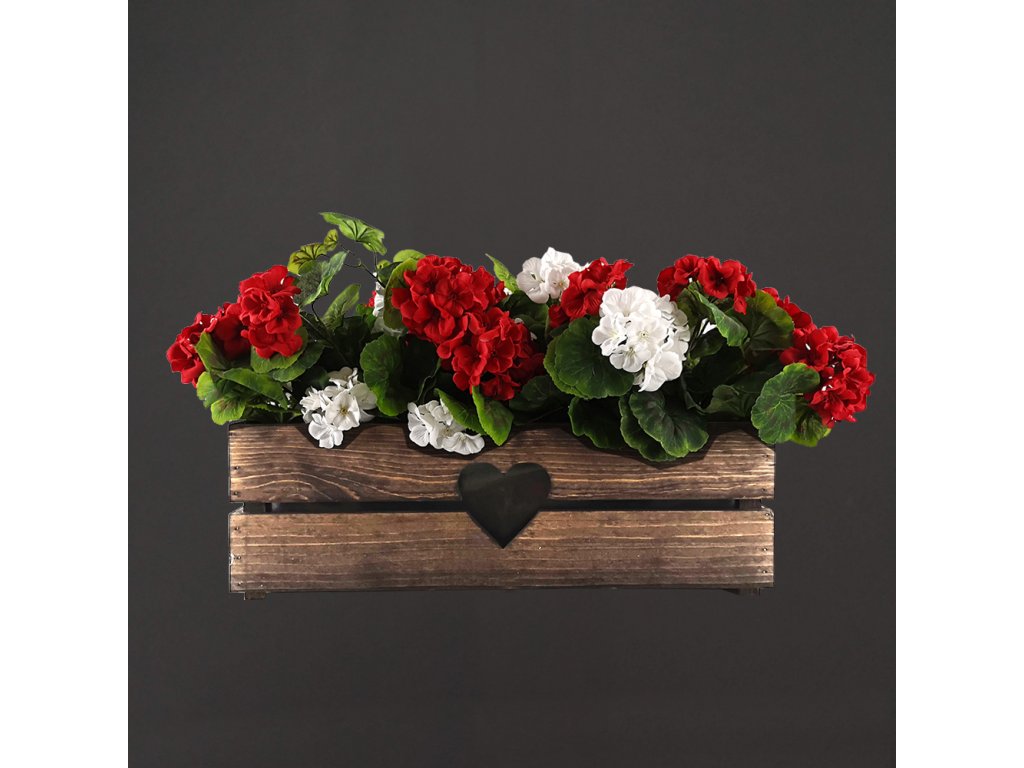
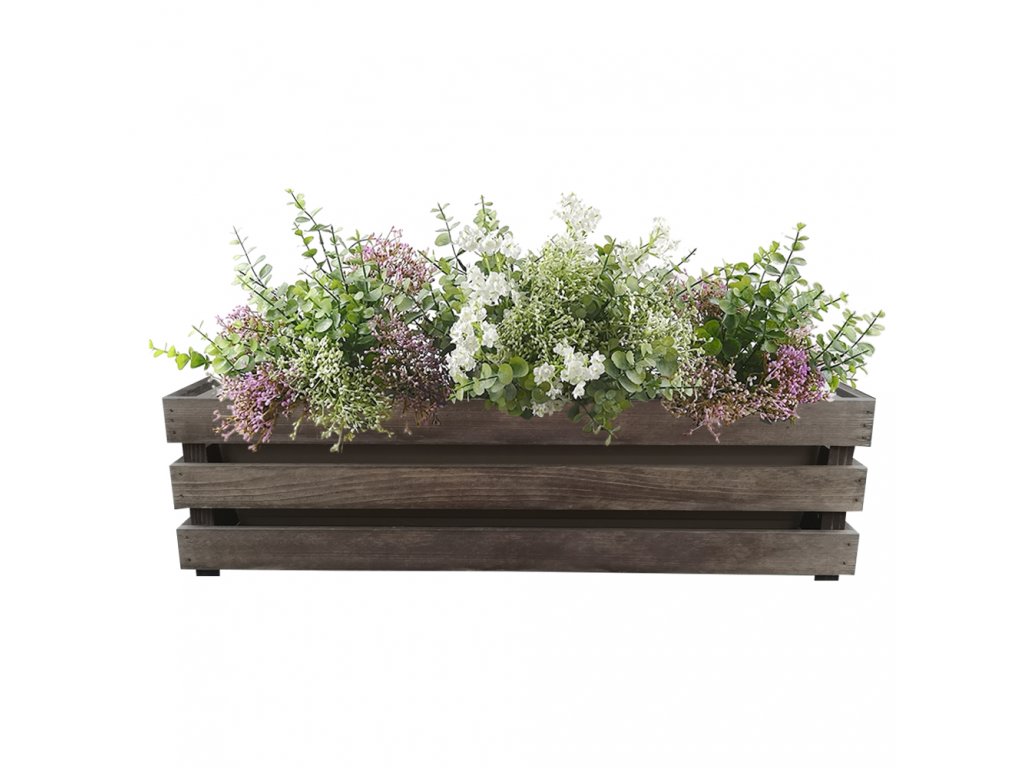
Three proven outdoor options – the dark wooden finish suits both modern and rustic balconies and works well for flowers, herbs, and seasonal decor.

What to Consider Based on Balcony Orientation
Before you start planting, consider how much sun your balcony gets during the day. In full sun, the biggest issue is fast drying; in shade, it’s overwatering. If you choose the right plants for your conditions, they’ll thrive without complicated care.
| Balcony orientation | What to consider | Recommended plants for planters |
|---|---|---|
| South / West | heat, fast drying, more frequent watering | geraniums, trailing petunias (surfinia), petunias, lavender, rosemary, thyme |
| East | ideal balance, sun mainly in the morning | geraniums, verbenas, herbs, strawberries, cherry tomatoes |
| North | shade, slower drying, watch out for overwatering | begonias, fuchsias, lobelias, ivy, some ferns |
What to Plant by Season
🌸 Spring planters
Spring planting is ideal for the first colors after winter. Choose varieties that can handle cooler nights and still look good in changeable weather. The “main plant + filler” combination works great.
- pansies, daisies, primroses
- bulbs (tulips, daffodils, hyacinths)
- green filler: ivy or small ornamental grasses
☀️ Summer planters
Summer planters are the richest in color and, with proper care, can last until autumn. On a sunny balcony, water preferably in the morning or evening and plan on regular fertilizing (petunias and surfinia bloom much better).
- geraniums, petunias, surfinia, verbenas
- fragrant varieties: lavender
- edible: basil, chives, thyme; cherry tomatoes (with support)
🍂 Autumn planters
Autumn planters are low-maintenance and often hardy. They look great in a natural style – heathers and ornamental grasses combined with wood feel truly “garden-like” even on a balcony.
- heathers, chrysanthemums
- ornamental grasses
- ornamental cabbage
❄️ Winter planters
In winter, a common approach is an evergreen base + natural decorations. If the planter is exposed to frost, choose hardier elements and decorations that keep their shape nicely (twigs, pinecones).
- evergreen shrubs (boxwood, ivy)
- conifer branches
- pinecones, branches, dried fruits
How to Plant Planters Properly
- Drainage layer – expanded clay or gravel prevents waterlogging
- Quality potting mix – for flowers / herbs / vegetables depending on purpose
- Proper spacing – plants need room to grow
- Fertilizing – regularly during the season (especially annuals)
Note: The most common mistakes are overwatering (especially in shade), insufficient drainage, and planting too densely. When the planter becomes “overgrown,” plants compete and decline faster.
Quick Combinations That Work
- Sun: geraniums + trailing surfinia + a small accent (e.g., bacopa)
- Partial shade: begonias + lobelias + green ivy
- Edible: basil + chives + thyme (similar needs, great for the kitchen)
- Autumn: heather + ornamental grass + ornamental cabbage
FAQ – Frequently Asked Questions
In summer, often even daily (especially south/west). In spring and autumn depending on the weather, in winter minimally.
Deeper wooden or raised planters – they protect roots from overheating better and retain moisture longer.
Yes, if they have similar needs for light, watering, and soil. Otherwise they will “argue” and grow worse.
Balcony planters let you grow plants all year round – even without a garden. Just choose the right type of planter, consider your balcony’s orientation, and adjust planting to the season.