
Did you know that trees linked to dates of birth have accompanied humankind for thousands of years? The Celtic tree calendar assigns each of us a particular tree – a guardian tree – whose qualities are said to reflect our character, strengths and path in life. It is not just mysticism: it is also a lovely way to get to know the fascinating trees of Czech forests that grow all around us and whose wood people have crafted into beautiful objects for centuries. Find out which tree is yours and test your knowledge in our interactive game!
🌳 Quiz: The Celtic tree calendar
Test your knowledge of the trees of Czech forests and the Celtic tree calendar. Do you know when the birch rules, what the oak symbolises or what kind of character people born under the sign of the lime have?
🌳 Looking for a gift made of natural wood? At AMADEA you will find handmade products from Czech forests – from decorations to kitchen accessories.
Visit AMADEAA guide to the Celtic tree calendar: 12 guardian trees
The Celtic tree horoscope – sometimes called the tree zodiac or the beth-luis-nion calendar – draws on druidic tradition and was described in its modern form by the British poet Robert Graves in 1948. Each tree represents a certain period of the year and the human qualities associated with it. Below is a guide to twelve of the most important trees, all of which are also common in Czech forests, orchards and countryside.
Silver birch – Betula pendula (24 June)
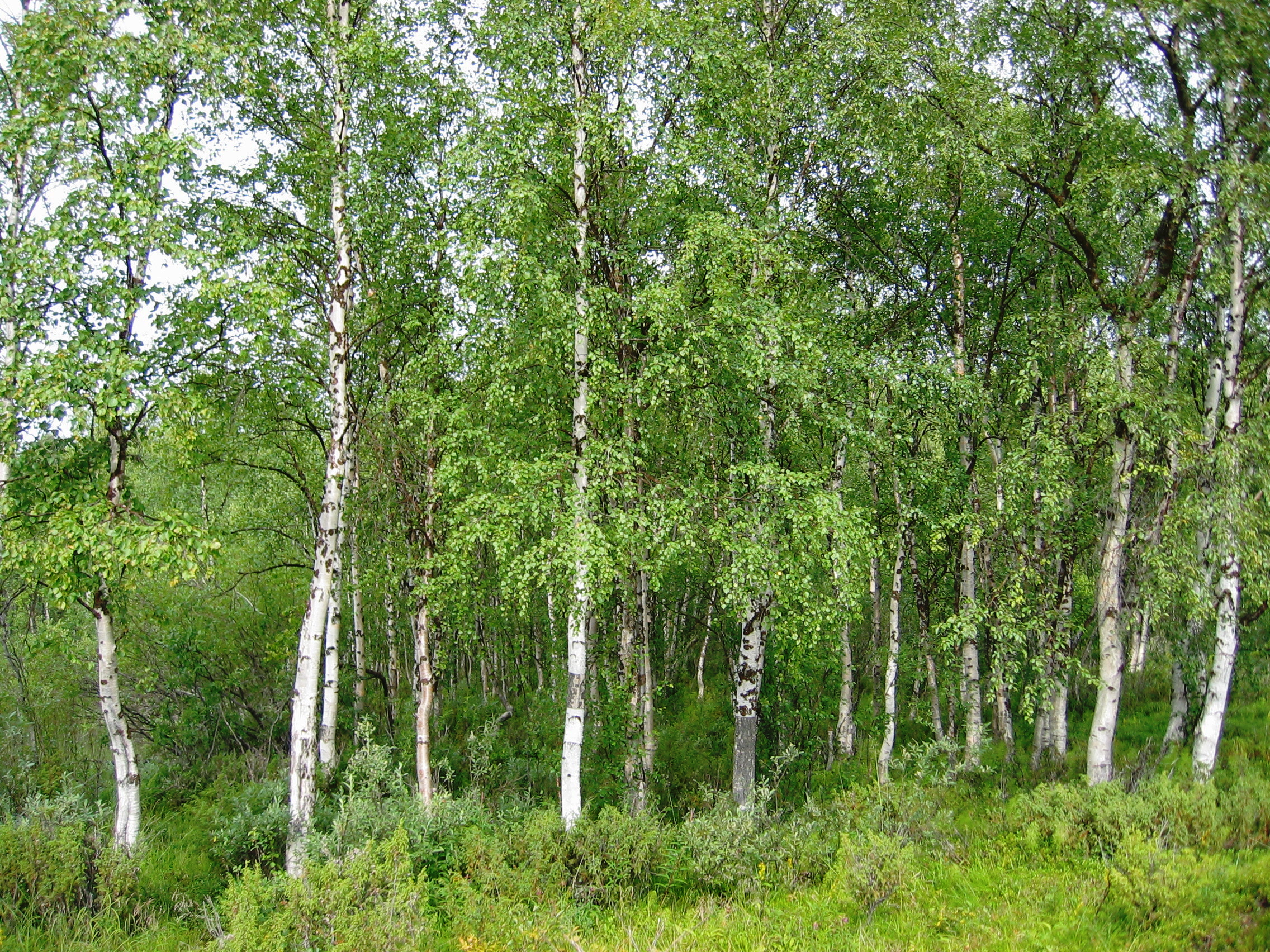
In the Celtic calendar the birch is the tree of purity and new beginnings. Its pure white bark, peeling in thin translucent strips, reminded the Celts of light and the birth of a new cycle. In the Czech Republic the silver birch is one of the most widespread trees – you will find it in clearings, on peat bogs and at forest edges from the Šumava to the Krkonoše, often as the first tree to colonise bare ground.
According to tradition, people born under the sign of the birch are ambitious, tactful and spiritually minded. They have a sense of order and consideration for others – just like the birch itself, which, by being the first to settle bare soil, prepares the ground for other trees. For centuries, soft birch wood has been made into containers, baskets and small wooden decorations and home accessories.
Rowan – Sorbus aucuparia (1–10 April and 4–13 October)

For the Celts the rowan was a tree of protection and intuition – they carried twigs with berries as amulets against evil forces. In the Czech landscape you will find it from the lowlands to the mountains of the Krkonoše and Jeseníky, where it copes with the harsh climate better than most other trees. A rowan in blossom in spring and with fiery red berries in autumn is one of the loveliest sights in Czech forests and gardens.
People born under the sign of the rowan are said to be friendly, intuitive and open-minded. They stay calm even in difficult situations and have a strong sense of justice. Rowan berries are edible after frost and are used for jams, syrups and spirits – rowanberry brandy is a traditional speciality of the mountain regions of Bohemia and Moravia.
Sycamore maple – Acer pseudoplatanus (11–20 April and 14–23 October)

Sycamore maple, the largest maple of Central European forests, symbolised adaptability and balance in Celtic tradition. It grows up to 35 metres tall and is common in Czech beech woods and mixed forests – especially in the foothills of the Šumava, the Beskydy and the Orlické hory. Its seeds (the so-called helicopters) fascinate children and adults alike with their aerodynamic fall.
Maple wood is one of the most valuable native timbers: it is hard, uniform and works beautifully. That is why it is traditionally used for musical instruments, as well as for kitchen and serving boards, which are popular today with food lovers and fans of natural materials alike.
Walnut – Juglans regia (21–30 April and 24 October – 2 November)

The common walnut was considered by the Celts to be a symbol of wisdom and fertility. Originally from the region between the Balkans and China, it has been grown in Bohemia and Moravia for centuries: you will find it by old farmsteads, on field boundaries and in the orchards of South Moravia. It lives for 200–300 years and its massive crown casts deep shade.
Dark, figured walnut wood is a prized material for luxury furniture and small wooden products. The walnut releases aromatic substances that repel insects, and so most plants do not grow beneath its crown – which to the Celts was proof of its special power. People born under its sign are said to be strategic, determined and naturally authoritative.
Ash – Fraxinus excelsior (21–30 May and 22 November – 1 December)

In Celtic mythology the ash was a world tree – a link between the underworld, the world of people and the heavens. In Scandinavian tradition, Yggdrasil plays a similar role. In the Czech floodplain forests along the Morava, Dyje and Ohře rivers the ash is one of the dominant trees; in the foothills of the Krkonoše and Šumava it grows at altitudes of over 900 m.
Ash wood is elastic and tough – it withstands even sharp impacts, which is why it is used for sports equipment, tool handles and elegant serving boards. People born under the sign of the ash are said to be dreamers with artistic talent, creative and spiritually sensitive, though sometimes indecisive.
Hornbeam – Carpinus betulus (4–13 June and 2–11 December)

The hornbeam – a modest tree without showy ambitions – symbolised hard work, perseverance and honesty in Celtic tradition. It is a typical companion of Czech oak and hornbeam woods; its dense crowns form natural hedges that keep their dry leaves all winter. In Bohemia it grows abundantly in the České středohoří, the Křivoklát region and the warmer parts of South Moravia.
Hornbeam wood is the hardest of all native broadleaved woods – it was prized for wooden cogwheels, pulleys and combs. The hornbeam is likened to people who are a reliable support to those around them: calm, systematic and practical.
English oak – Quercus robur (21 March)

The English oak – king of the trees of the Celtic world – belongs to just one single day of the year: the spring equinox on 21 March. The Celts held rituals in sacred oak groves (nemeton), read omens from oak leaves and believed the oak was a direct link between people and the gods. The word “druid” is probably derived from the Celtic word for oak. In Bohemia, the mightiest old oaks are over 800 years old – famous trees such as Žižka's Oak are protected as national natural monuments.
Oak wood is exceptionally resistant to moisture and rot – old oak beams in Czech castles and chateaux have served for centuries. Oak is used to make solid chopping boards and design accessories. Birthdays on 21 March belong to people of strong will, natural leadership and deep loyalty to their values.
Apple – Malus domestica (23 December – 1 January and 25 June – 4 July)

The apple is one of the fruit trees in the Celtic calendar and symbolises love, beauty and abundance. In Celtic mythology the island of Avalon (literally the “isle of apples”) was a place of immortality and rest for heroes. Apple trees are an inseparable part of the Czech rural landscape: old local varieties such as Panenské České, Šampion or Strýmka are part of the cultural heritage of Bohemia and Moravia.
People born under the sign of the apple tree are said to bridge opposites – feeling and reason, ideal and reality. They tend to be creative, sociable and full of zest for life. Apple wood, with its fine texture and pleasant scent, is prized by carvers and makers of small wooden decorations.
European white elm – Ulmus laevis (12–24 January and 15–25 July)

In the Celtic world the elm was a tree of trust, prudence and foresight. People born under its sign are characterised by calm, self-control and the ability to plan carefully. Sadly, elms across Europe have been badly decimated since the 20th century by Dutch elm disease – a fungal disease spread by bark beetles. Today, large mature elms are a rarity; even so, you can still find them in the floodplain forests along the Elbe, Morava and Dyje.
Elm wood was traditionally valued for its toughness and resistance to moisture – it was used for ships' keels, wheels and furniture. Today the elm is protected and its wood is only rarely worked; every surviving old elm is a natural treasure.
Small-leaved lime – Tilia cordata (13–22 September)

The lime is the national tree of the Czech Republic and in the Celtic tree calendar it symbolises kindness, patience and the ability to listen. In the past, assemblies and courts were held beneath lime trees – the shade of a lime was a place of justice and peace. All over Bohemia and Moravia you will find old limes as landmarks of village greens, cemeteries and places of pilgrimage; some are more than 700 years old.
Limewood is soft, uniform and ideal for fine carving – the most famous altars and sculptural groups of Central European Baroque are made of limewood. Every June and July, Czechs gather lime blossom for healing tea, honey and cosmetics. In Celtic tradition, people born under the sign of the lime are among the kindest and most empathetic of all.
White willow – Salix alba (1–10 March and 3–12 September)

The white willow is a tree of flexibility, adaptability and intuition – its supple branches do not resist the wind but bend with it, and so the tree survives. In Celtic tradition the willow was associated with the moon and water, with the cycles of nature and dreamlike wisdom. In Czech river floodplains the white willow is a characteristic tree, lining the rivers from the Elbe and the Vltava to the Moravian lowlands.
Willow bark is a source of salicin, a natural substance related to aspirin – for thousands of years willow bark served as a remedy for pain and fever. People born under the sign of the willow are said to be intuitive, emotionally sensitive and blessed with an exceptional memory.
Scots pine – Pinus sylvestris (19–29 February and 24 August – 2 September)

The Scots pine – one of the most widespread conifers of Czech forests – symbolised perseverance, straightforwardness and the ability to survive even in harsh conditions in Celtic tradition. It grows on poor sandy soils, rocky outcrops and peat bogs where other trees do not thrive. You will find characteristic pine woods in the Brdy hills, the Třeboň region, the Elbe lowland and on the sandstone rocks of the Bohemian Paradise (Český ráj).
Pine resin and the turpentine made from it have been used for centuries in medicine, shipbuilding and paint making. Pine wood is a basic building material and is also used to make wooden home decorations. People born under the sign of the pine are said to be direct, reliable and determined to overcome obstacles.
The most common mix-ups and mistakes
At a glance: The trees of the Celtic calendar and their qualities
| Tree | Latin name | Period (spring/summer) | Period (autumn/winter) | Symbol and character |
|---|---|---|---|---|
| 🌿 Birch | Betula pendula | 24 June | – | Purity, new beginnings, ambition |
| 🔴 Rowan | Sorbus aucuparia | 1–10 April | 4–13 October | Protection, intuition, justice |
| 🍁 Maple | Acer pseudoplatanus | 11–20 April | 14–23 October | Balance, adaptability |
| 🌰 Walnut | Juglans regia | 21–30 April | 24 October – 2 November | Wisdom, strategy, authority |
| 🌲 Ash | Fraxinus excelsior | 21–30 May | 22 November – 1 December | Creativity, dreaming, spirituality |
| 🌳 Hornbeam | Carpinus betulus | 4–13 June | 2–11 December | Reliability, hard work, method |
| 🌿 Oak | Quercus robur | 21 March (equinox) | – | Strength, loyalty, natural authority |
| 🍎 Apple | Malus domestica | 25 June – 4 July | 23 December – 1 January | Love, abundance, creativity |
| 🍃 Elm | Ulmus laevis | 15–25 July | 12–24 January | Trust, prudence, foresight |
| 🌼 Lime | Tilia cordata | – | 13–22 September | Kindness, empathy, listening |
| 🌊 Willow | Salix alba | 3–12 September | 1–10 March | Intuition, flexibility, sensitivity |
| 🌲 Pine | Pinus sylvestris | 24 August – 2 September | 19–29 February | Perseverance, directness, determination |
Frequently asked questions about the Celtic tree calendar
What is the Celtic tree calendar and where did it come from?
The Celtic tree calendar draws on druidic tradition, which assigned to each period of the year a particular tree symbolising the qualities of people born at that time. Its modern form was shaped by the British poet and mythographer Robert Graves in his book The White Goddess (1948). It is based on a lunar year divided into 13 months, with the solstices and equinoxes holding a special place.
Can I have two guardian trees?
Many trees (apple, poplar, willow, pine, cedar, elm, rowan, maple…) appear twice in the Celtic calendar, and people born in either period of a given tree share its qualities. Some astrologers also work with “overlaps” between trees – if you were born on the first or last day of a tree's period, you are said to carry some of the qualities of the neighbouring sign too.
Is the Celtic tree calendar the same as the druid horoscope?
The terms overlap. Druid horoscope, tree horoscope, tree zodiac or Celtic tree calendar – all these names describe the same system of assigning trees to dates of birth. The term “druid” emphasises the link with the Celtic druid priests, who were the guardians of tree wisdom.
Where in the Czech Republic can I find a living Celtic tree calendar?
A physical Celtic tree calendar – a circle of trees around a menhir – can be found in Central Park in Stodůlky, Prague 13 (near Lužiny metro station on line B). A similar tree circle was also created in Třebíč in the Vysočina region, where it is linked to a nature trail and an orienteering-style quest game.
Where can I find an original gift connected with a guardian tree, made from Czech wood?
At AMADEA you will find handmade products made from native woods – oak, maple and lime boards, candle holders and decorations. A lovely birthday gift is, for example, a serving board made from the wood of your guardian tree or a wooden candle holder as a symbol of a tree's natural strength. The products are made in the Czech Republic with an emphasis on quality and durability.
🌳 Looking for a gift made of natural wood? At AMADEA you will find handmade products from Czech forests – from decorations to kitchen accessories.
Visit AMADEAAuthor: Martin Portych – specialist in wooden products, gift advice and shop content
Editorial policy: Our content is based on the day-to-day practice of the AMADEA shop, the real needs of our customers and a commitment to clear, useful and trustworthy information.