
Czech herbs are among the most popular natural helpers for the home, the garden and a healthy lifestyle. Many well-known medicinal herbs grow wild in the Czech countryside, and plenty of them can also easily be grown at home in a planter, a pot or in the garden. In this article you will find out where to find Czech herbs, which species are the most popular, how to pick them properly and how to grow them successfully so they bring you joy all season long.
Czech herbs: where to find them in nature and which are worth your attention
If you are wondering where herbs grow in the Czech Republic, the answer is simple: in meadows, on field margins, at forest edges, in gardens and along field paths. But it is important to choose clean sites away from busy roads, industrial zones and chemically treated fields. Czech herbs have a long tradition and many of them are used in homemade teas, tinctures, syrups and in cooking.
For everyday growing at home or in the garden, it pays to combine well-known wild medicinal herbs with kitchen herbs. That way you get not only a beautiful green corner but also a practical source of fresh herbs for daily use.
Where to pick herbs safely in the Czech Republic
- in clean meadows and field margins away from traffic,
- at forest edges and in clearings,
- in your own garden without chemical spraying,
- in mountain and foothill areas with a clean environment,
- in places where you can reliably identify the particular plant species.
Tip: The best option is a combination of growing your own and occasional picking in the wild. That way you can be sure of origin, cleanliness and a regular harvest. For growing at home, crates, pots and planters are ideal and will help you create a practical and attractive herb corner.
The best-known Czech herbs and how they are used
The most popular Czech medicinal herbs include species that are easy to recognise, grow well and have a wide range of uses. Below you will find an overview of herbs suitable both for picking and for growing at home.
| Herb | Where to find it | Uses | How easy to grow |
|---|---|---|---|
| German chamomile | meadows, field margins, field edges | tea, compresses, soothing | easy |
| Mint | gardens, damper spots | tea, lemonades, digestion | very easy |
| Lemon balm | gardens, herb beds | tea, relaxation, fragrance | easy |
| Thyme | gardens, dry sites | cooking, tea, fragrance | easy |
| Wild marjoram (oregano) | sunny gardens, dry meadows | cooking, tea | easy |
| Sage | gardens, warmer locations | tea, gargling, cooking | medium |
| Lavender | gardens, dry beds | fragrance, decoration, relaxation | medium |
| Nettle | roadsides, gardens, damper soil | tea, spring detox, cooking | very easy |
| Ribwort plantain | meadows, paths, field margins | syrups, tea | easy |
| Yarrow | meadows and dry sites | tea blends | easy |
| St John's wort | sunny meadows and slopes | oils, tea blends | medium |
| Parsley | gardens, planters | cooking | easy |
| Chives | gardens, pots | cooking | very easy |
| Basil | indoor growing, greenhouses, windowsills | cooking | medium |
Which herbs suit the garden, the balcony and the windowsill
The choice depends mainly on where you want to grow your herbs. Some species love full sun and drier soil, others tolerate partial shade and more frequent watering. For beginners it is best to start with less demanding species and gradually add more.
Herbs suitable for planters and pots
For a balcony, terrace or windowsill, mint, lemon balm, chives, parsley, basil, thyme or oregano work best. For tidy and attractive growing, we recommend wooden crates, pots and planters, which help organise the herbs and complement the space nicely.
Herbs for a raised bed
If you have a garden, a raised bed is a very practical solution. It makes care easier, improves access to the plants and looks neater than a traditional bed. Lemon balm, thyme, sage, oregano, lavender, chives or parsley are all well suited to a raised bed.
How to label your herbs clearly
If you grow several species at once, it pays to label them. Clear herb markers and labels help organise beds and planters, make it easier to tell species apart and look decorative too.
What works well for growing herbs at home: a combination of planters or crates, clear labels and a raised bed. That way your herbs will grow well, be easy to look after and the whole space will look neat and natural.
How to grow herbs at home and in the garden, step by step
1. Choose the right spot
Most herbs need plenty of light. A sunny windowsill, a south- or south-west-facing balcony or a sunny spot in the garden is ideal. Lemon balm and mint tolerate light partial shade, while thyme, lavender and sage prefer more sun.
2. Use a suitable container or bed
For a small number of herbs, pots and planters are enough. For a larger home herb garden, a raised bed is ideal, giving enough room to grow and making maintenance easier. When growing several species at once, crates and planters are also practical.
3. Choose free-draining soil
Most herbs do not like waterlogging. The soil should be light, airy and free-draining. For Mediterranean herbs such as lavender, thyme or sage, drier soil is actually an advantage.
4. Water sensibly
One of the most common mistakes is overwatering. Mint and lemon balm like a little more moisture, but thyme, oregano and lavender do not need frequent watering. Always check the soil and water only once the top layer has dried out.
5. Trim regularly
Regular harvesting encourages growth and bushier plants. For herbs such as basil, mint or lemon balm, regular pinching out is important for attractive, abundant growth.
Tip: When growing several species, group herbs according to their needs. Put drought-loving species such as thyme, lavender and sage together. Grow moisture-loving species such as mint and lemon balm separately.
When and how to pick Czech herbs properly
If you want to pick herbs in the wild or harvest them from your own garden, it pays to follow a few basic rules. Well-timed picking has a big influence on the fragrance, potency and quality of the dried herb.
The best time to pick
- pick in dry weather,
- ideally in the morning after the dew has dried,
- pick flowers when they are in full bloom,
- pick leaves before flowering or when the plant is in its best condition,
- do not take damaged, dusty or infested parts.
How to dry herbs
Dry herbs in a thin layer in a shady, dry and airy place. Do not expose them to direct sunlight so they keep their colour, fragrance and active substances. Store dried herbs somewhere dry, ideally separately by species.
The most common mistakes when growing herbs
- Overwatering: the most common reason herbs rot or turn yellow.
- Lack of light: herbs then become leggy, weak and less aromatic.
- Poor combination of species: drought-loving and moisture-loving herbs have different needs.
- Container too small: the roots do not have enough room and the plant suffers.
- Unlabelled species: especially with a larger number of herbs, you quickly lose track.
- Late harvest: old leaves and flowers tend to be of lower quality.
How to create a well-organised herb corner
A well-designed herb corner makes growing and harvesting easier. Planters or wooden crates work well on a balcony or terrace, while a raised bed is very practical in the garden. If you grow several species, it is worth using herb labels so you keep track and the whole space looks neater.
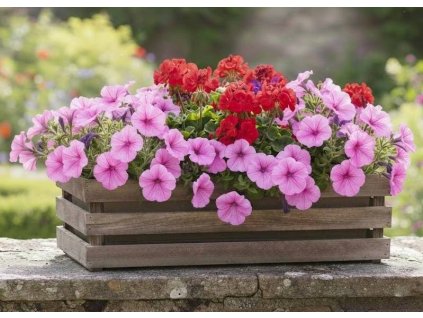
A practical solution for herbs on the balcony, windowsill or terrace. They help with organisation and create a lovely natural look.
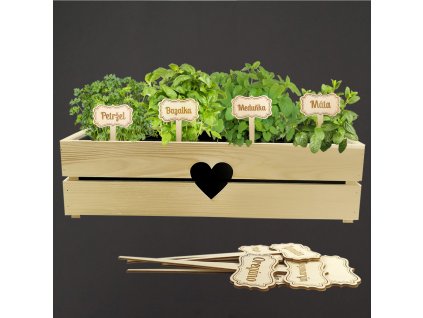
They let you label individual species clearly and make care and harvesting easier, especially if you grow several herbs at once.
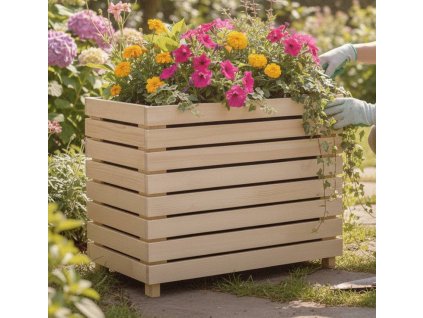
A great choice for the garden. It offers comfortable growing, better access to the plants and an attractive layout for your herb planting.
Practical tips for growing herbs in Czech conditions
- Start with less demanding species: mint, lemon balm, chives, thyme, oregano.
- In spring, start herbs indoors and move them outside later.
- For a balcony, choose species according to orientation and the amount of sun.
- In the garden, group herbs by their water and soil requirements.
- Harvest regularly so the plants stay bushy and fragrant.
- Use herb labels to keep track.
Why Czech herbs are popular for home gardens
The popularity of herbs is growing not only because of their traditional uses, but also because they fit well into a modern lifestyle. People are looking for natural materials, easy growing and everyday usefulness. Herbs also look beautiful, smell lovely and can be grown even in a small space. All you need is a few containers, well-chosen species and practical accessories that make organisation easier.
Would you like to create your own herb corner at home or in the garden?
Choose practical accessories for growing herbs and create a tidy, functional and attractive spot for your daily harvest.
Browse crates, pots and planters
Browse herb markers and labels
Browse raised beds
FAQ – frequently asked questions about herbs
Where can I find Czech herbs in the wild?
You will most often find Czech herbs in meadows, on field margins, at forest edges, in clearings and in clean gardens. Always choose places away from roads and chemically treated areas.
Which herbs are easiest to grow at home?
Mint, lemon balm, chives, basil, parsley, thyme and oregano are particularly suitable for growing at home. They grow well in planters and pots.
Which herbs are suitable for a raised bed?
Lemon balm, thyme, sage, oregano, chives, parsley and lavender all suit a raised bed. It is important to group them according to their need for water and sun.
When should herbs be picked?
The best time is in the morning in dry weather, after the dew has dried. The plants should be healthy, clean and in good condition.
How can I label individual herb species?
A practical solution is herb markers and labels, which help you keep track in a bed, planter or crate.
Summary: You can find Czech herbs in the wild and easily grow them at home or in the garden. The most popular include chamomile, mint, lemon balm, thyme, oregano, sage, lavender, nettle, ribwort plantain and yarrow. Successful growing depends on the right location, moderate watering, a suitable container and clear organisation. Crates, pots and planters, herb labels and raised beds are practical solutions that help create a functional and attractive herb corner.
Author: Martin Portych – specialist in wooden products, gift advice and shop content
Editorial policy: Our content is based on the day-to-day practice of the AMADEA shop, the real needs of our customers and a commitment to clear, useful and trustworthy information.