
Types of raised beds differ not only in size but above all in construction, use and where you want to place them. One type suits a large garden, another a terrace and yet another a balcony or a small urban space. If you want to grow herbs, salads, strawberries or ornamental plants more comfortably, cleanly and neatly, the right raised bed will make the job much easier.
In this overview we look at the types of raised beds available, their advantages and how to choose the best one for your needs. We also explain when a raised bed with an inner container is more practical and when an open wooden bed without an inner container makes more sense.
Types of raised beds by construction
When people look for a raised bed, they often imagine just one universal type. In reality there are several variants suited to different ways of growing and different places around the home.
Wooden raised bed with an inner container
This type is very practical wherever you want to keep growing under control and avoid soil coming into direct contact with the surrounding surface. It is especially suitable for terraces, balconies, paved courtyards and small urban gardens. The plastic inner container helps keep the compost inside and simplifies maintenance.
Its big advantages are cleaner use, easier handling and an elegant look. If you are looking for a solution that combines a decorative function with practical growing, it is often a very good choice.
Wooden raised bed without a container
The open version without an inner liner suits those who want more freedom when planting and plan to use the bed as a classic growing space. It is often used where you want to work with a larger volume of soil or build your own sequence of layers.
This type is also popular because it looks natural and fits well into a garden, a wildlife corner or the kitchen-garden part of a plot. Another practical point is that some wooden models can be stacked to create taller set-ups as needed.
Designer planter cover for ornamental growing
The broader group of raised beds also includes larger wooden covers with a liner, which serve as a stylish solution for flowers, herbs or small ornamental arrangements. They are ideal wherever you want to combine growing with the aesthetics of the space.
On a terrace, by the front door or on a balcony, they often work not only as a growing container but also as a striking design feature.
How to choose a raised bed by location
Raised bed for the garden
In the garden you have the most freedom. You can choose according to whether you want to grow vegetables, herbs, soft fruit or ornamental plants. If you plan more intensive growing, think about sufficient volume, a stable construction and comfortable access from all sides.
Open or stackable models that can be extended upwards and outwards are best for larger areas. But if you want a smaller, tidy solution near a seating area or entrance, designer pieces with a liner work well too.
Raised bed for the terrace
On a terrace, cleanliness, appearance and practicality usually matter most. Models with an inner container tend to be the best fit here, as they help separate the compost from the surrounding surface. Other benefits are easier control of watering and simpler, more precise planting of herbs, flowers or small vegetables.
If you want your terrace to look coordinated, you can combine raised beds with other wooden covers with a container in the same natural style.
Raised bed for the balcony
On a balcony, compact size, easy maintenance and a light look are what count. Smaller wooden raised beds or covers with a liner allow comfortable growing of herbs, salads, strawberries or seasonal flowers even where space is really tight.
In a small space it usually makes sense to choose a model that is also decorative. The balcony then feels not like a utility area but like a pleasant place to spend time every day.
Raised bed with a container vs. without a container
| Bed type | Main advantage | Best location | Ideal for |
|---|---|---|---|
| With inner container | Cleaner use and easier maintenance | Terrace, balcony, paved area | Herbs, small vegetables, ornamental plants |
| Without container | More freedom when planting | Garden, wildlife corner, larger area | Vegetables, herbs, flexible planting |
| Designer cover | Strong decorative effect | Entrance, terrace, balcony | Flowers, herbs, seasonal planting |
In general, the version with a container is excellent where you want minimum fuss and a clean solution. The version without a container, on the other hand, suits growers who want to adapt the bed to their own style of growing and expect to work more directly with the soil.
Practical tip: If you are unsure, start with a smaller bed with a liner for herbs or salads. You will easily find out whether this way of growing suits you, and later you can add more pieces or a taller set-up.
How to choose a raised bed by what you want to grow
Herbs and smaller plants
Small to medium models close to the kitchen or seating area are perfect for herbs. Beds with a liner are particularly practical, as they are easy to maintain and look neat all season long.
Salads, strawberries and small vegetables
For regular growing of small vegetables, think about sufficient space and comfortable access. Raised beds make care easier, reduce unnecessary bending and help keep the growing area well organised.
Ornamental flowers and decorative greenery
If your main aim is to beautify your outdoor space, focus on appearance, proportions and harmony with the surroundings. In that case, a wooden cover or a compact raised bed in a natural colour that blends in is ideal.
Recommended wooden raised beds and covers from AMADEA
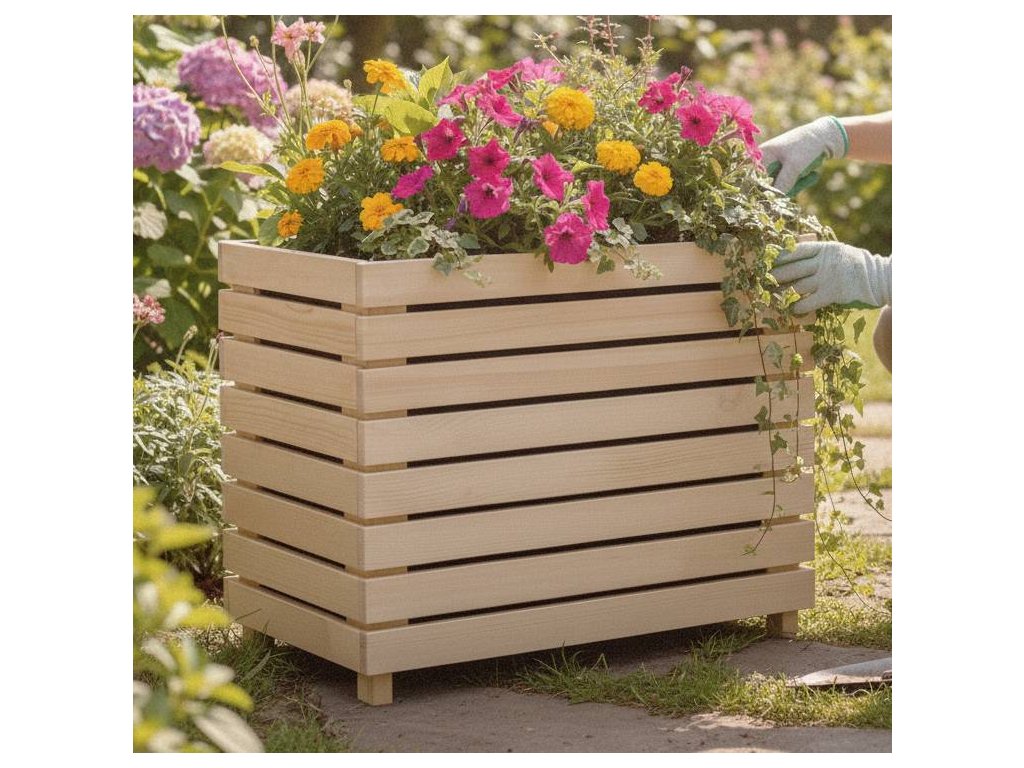
Wooden designer raised bed with a container
A practical choice for a terrace, balcony or small garden. The inner container makes growing easier and helps keep the area clean.
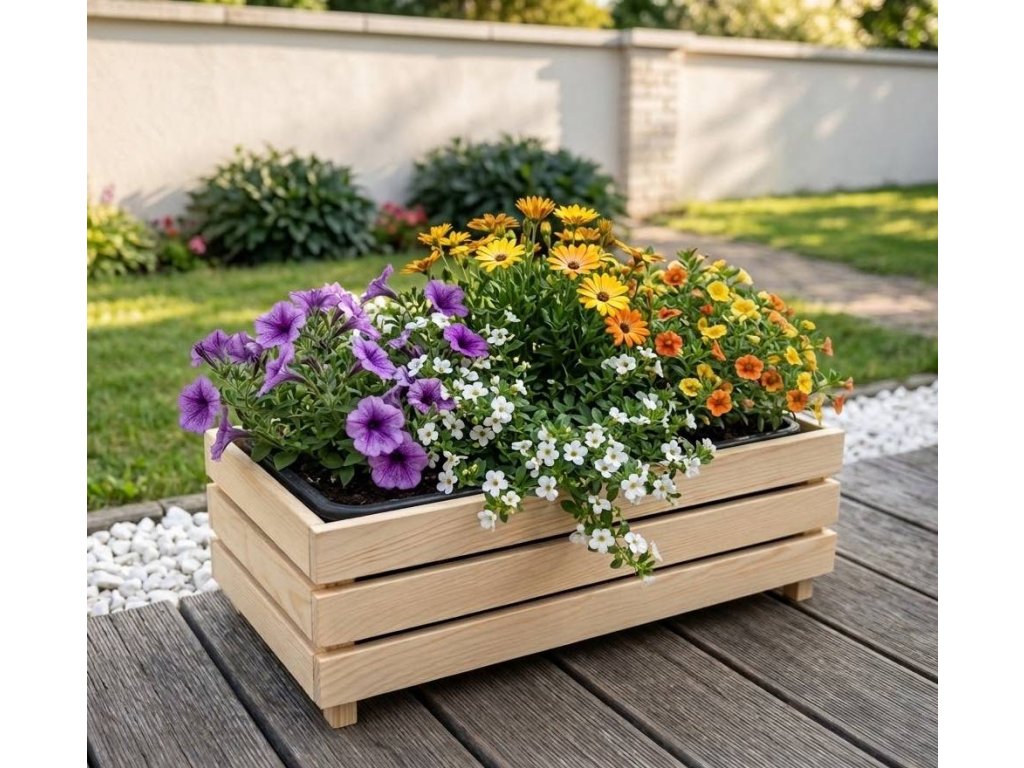
Wooden designer raised bed without a container
Suitable for flexible planting and your own way of growing. Works well in the garden and in set-ups of several pieces.
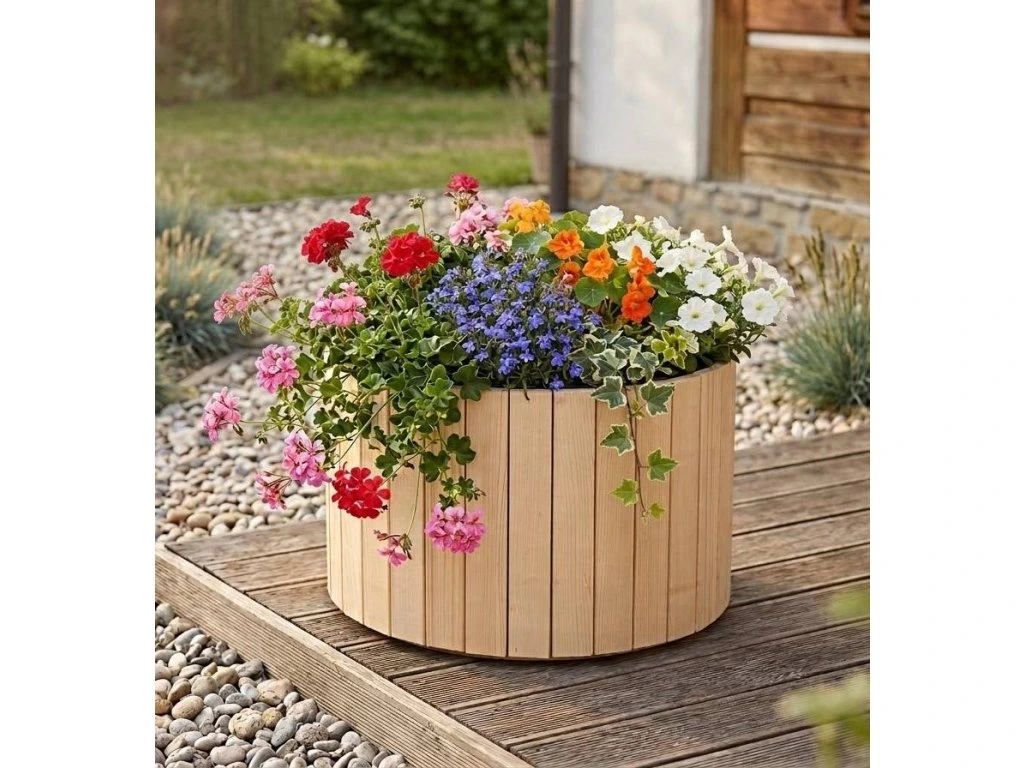
Wooden designer cover with a plastic container
Great for decorative growing of flowers, herbs and small arrangements. Ideal where you want to combine practicality and design.
The most common mistakes when choosing a raised bed
- Choosing by looks alone, regardless of what you will grow.
- A model that is too large for a small space, where it will get in the way.
- Underestimating maintenance and watering needs.
- Choosing wrongly between the version with and without a container.
- Buying without thinking about whether the bed should be mainly practical or decorative.
When a wooden raised bed is worth it
A wooden raised bed makes sense whenever you want to grow in a more organised and comfortable way, with better control over your space. Beginners will appreciate it, as will anyone who wants their herbs and a small harvest closer to home. Another advantage of wood is its natural look, which helps the bed fit into both modern and rustic gardens.
If you are looking for a solution that won't look technical or intrusive, wood is a very pleasant choice. You can also easily match it with other outdoor accessories, such as larger flower covers or other growing equipment in a natural style.
Choose a raised bed that suits your space
Whether you are furnishing a balcony, terrace or garden, the right raised bed will make growing easier and make your whole outdoor space more enjoyable.
Frequently asked questions
Which raised bed is best for a balcony?
A compact model with an inner container is usually the best fit for a balcony. It is easier to maintain, looks neat and is suitable for herbs, small vegetables and flowers.
Is a raised bed better with or without a container?
It depends on how you use it. The version with a container is more practical for terraces and balconies, while the version without one gives more freedom when growing and is best suited to the garden.
Is a wooden raised bed suitable for beginners?
Yes. It is well organised, easy to maintain and growing in it is usually more comfortable than in a traditional bed in the ground.
What can I grow in a smaller raised bed?
Herbs, salads, strawberries, spring onions or small ornamental plants are ideal. In a small space it is important to choose plants with similar needs for water and light.
Can raised beds be combined into set-ups?
Yes, some wooden models can be stacked on top of or placed next to each other. This lets you create a taller or more varied growing arrangement to suit the space available.
Summary: It pays to choose a raised bed according to the location, the way you grow and the maintenance you expect. A raised bed with a container is ideal for a balcony or terrace, while an open model without a container often suits the garden. If you want to combine growing with a natural look and practical use, a wooden raised bed is a versatile and very attractive solution.
Author: Martin Portych – specialist in wooden products, gift advice and shop content
Editorial policy: Our content is based on the day-to-day practice of the AMADEA shop, the real needs of our customers and a commitment to clear, useful and trustworthy information.