
A chopping board, a bowl or a wooden decoration has landed under the Christmas tree – and now the question is what to do with it. Caring for wooden products isn't complicated, but it differs depending on what the item is for. A few minutes right at the start decide whether the gift lasts two years or twenty.
Before you start. First find out one thing: will the product come into contact with food, with skin, or is it a decoration? Products and maintenance frequency vary accordingly. Kitchen pieces need oil straight away, decorations practically nothing, and jewellery just protection from moisture. All you need is a cotton cloth and, for kitchen items, an oil intended for wood in contact with food.
Step by step after unwrapping
1. Put the product into one of three groups
This is the only decision you really have to make. Kitchen products – chopping boards, bowls, utensils, trays – encounter water, fat and food juices and need the most care. Wearable items, i.e. jewellery and accessories, mainly have to cope with sweat, cosmetics and abrasion. Decorations – clocks, hearts, candle holders, ornaments – just need the right spot and an occasional dusting.
2. Wipe the surface
Remove dust from transport with a dry cotton cloth. Don't use a wet cloth, cleaning products or wet wipes – they contain substances that don't suit wood and, on kitchen pieces, have no business being on a surface you'll eat from.
3. Oil kitchen pieces straight away
Oil a new chopping board or bowl before you use it for the first time. The fibres aren't yet saturated, and the first layers of oil create a barrier before water or food juices can penetrate the wood.
The method is simple: apply a thin layer of oil with a cloth over the whole surface, including the edges and end grain, leave it to soak in for an hour and wipe off the excess with a dry cloth. Repeat once a week for the first month, after which once every four to six weeks is enough.
Use an oil intended for wood in contact with food, not cooking oil from the larder – that goes rancid on wood. We've covered the differences between the various types in our article on oils for kitchen wood.
4. Find a suitable spot for the product
For decorations, placement determines lifespan more than anything else. Three places to avoid: direct sunlight, where wood fades and darkens unevenly; the space above a radiator, where rising hot air dries it out; and damp rooms such as bathrooms with a shower.
This is especially important in winter. During the heating season, air humidity in a Czech flat commonly drops to twenty-five to thirty per cent, while in summer it is around fifty-five to sixty-five. It's precisely this difference that is the most common cause of cracks – we wrote about it in more detail in our article on why wood cracks.
By type of product
Chopping boards, bowls and utensils
The most demanding group, but the rules are simple. Wash by hand in warm water straight after use, dry immediately and stand upright so air can circulate on all sides. Never put them in the dishwasher and never leave them lying in the sink.
Oil regularly – you can tell when by a drop of water. If it stays as a bead, the protection is holding. If it spreads and the wood darkens, it's time for oil. You'll find the full method in our guide on how to care for a wooden chopping board.
Jewellery and accessories
Take them off before showering, swimming and the sauna. Apply perfume and hairspray before you put the jewellery on. Clean with a dry, soft cloth – never with alcohol, cleaning products or an ultrasonic cleaner intended for metal jewellery.
Store pieces individually rather than in a heap. Wood is softer than metal and is easily scratched by clasps and chains.
Decorations, clocks and candle holders
The lowest demands of all. Wipe occasionally with a dry cloth, and now and then treat with wood oil if needed – especially in rooms with marked swings in humidity.
With candle holders, also remove wax. Let it harden completely and then peel it off with a plastic card; never scrape with metal or melt it with hot water. Warm wax penetrates deeper into the fibres than it should.
Products for outdoor use
Planters, lanterns and garden decorations need treating with an outdoor oil before and after the season. Bear in mind that outdoor wood turns grey over time – this isn't a defect, but the natural ageing of the material.
Five things that ruin a wooden product fastest. The dishwasher – the combination of long soaking, high temperature and aggressive chemicals does irreversible damage to wood. Soaking in the sink or lying on a wet worktop. Drying on a radiator, in the oven or in direct sunlight – rapid one-sided drying is the most common cause of cracks. Steel wool and abrasive cleaning powders, which break up the fibres. And ordinary cooking oil from the larder: sunflower and olive oil go rancid on wood and the product starts to smell.
What to do if something does happen
A small crack. On decorations it usually doesn't matter and over time becomes part of the piece's character. With kitchen products, consider whether the crack reaches into the working surface – food residue gets into deeper gaps and is harder to clean.
A roughened surface. A natural occurrence after several years of use. Sand the surface with 180 to 220 grit sandpaper along the grain, wipe off the dust with a slightly damp cloth and apply two coats of oil. The product will look like new.
Stains and odours. For kitchen pieces, coarse salt and half a lemon work well – sprinkle, scrub, and rinse with lukewarm water after ten minutes. Re-oil after drying, because salt and lemon also remove part of the original protective layer.
Slight warping. A board that has bowed into a dish shape is usually the result of uneven drying. It helps to lay it convex side up on a flat surface and weigh it down, but don't expect miracles – prevention works better than cure.
Overview by type
| Type of product | Cleaning | Oiling | What to watch out for |
|---|---|---|---|
| Chopping boards and bowls | By hand, warm water | Once every 4 to 6 weeks | Dishwasher, soaking |
| Kitchen utensils | By hand, straight after use | Once a month | Leaving in hot food |
| Jewellery | Dry cloth | A drop of oil occasionally | Water, perfume, scratches |
| Clocks and decorations | Dry cloth | Once a year | Sunlight, radiators |
| Candle holders | Dry cloth | After the season | Wax residue |
| Outdoor products | Brush, lukewarm water | Twice a year | Frost, constant damp |
A tip for a post-Christmas check-up: While you're at it, go through the older wooden pieces in your home too. The board you received three years ago is probably dried out and just needs one oiling. It takes half an hour for the whole kitchen and the result is visible immediately. A roughened board can also be sanded with 220 grit sandpaper and re-oiled – it will be as good as new.
What helps with care
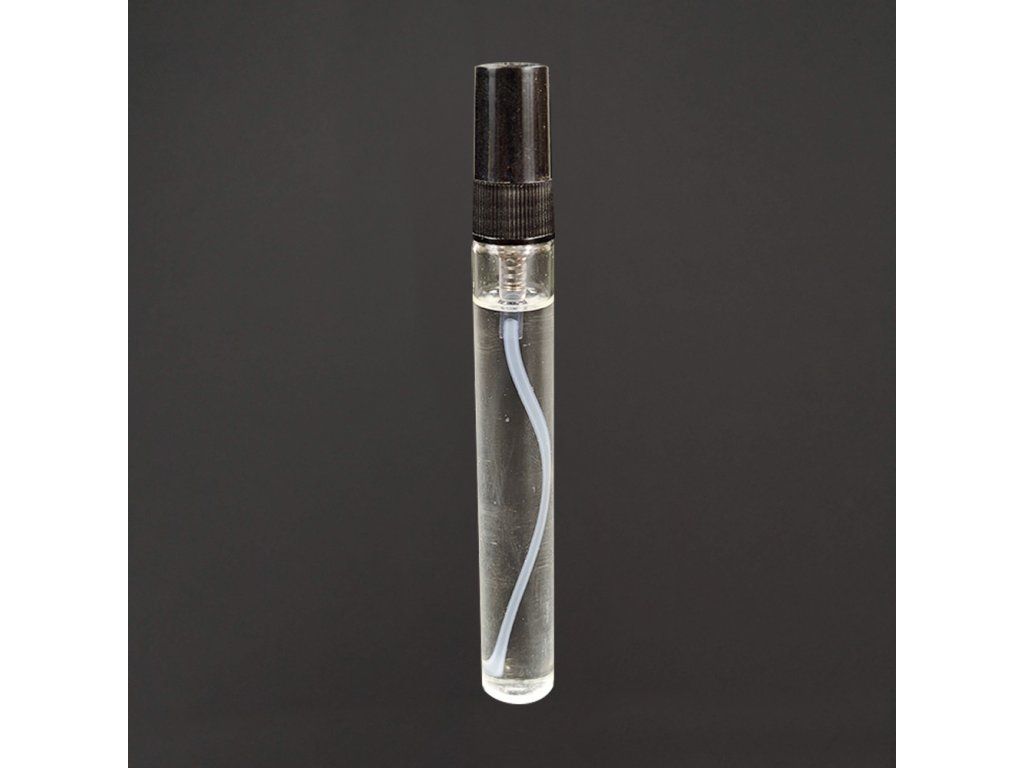

How long does a wooden item last?
A question we're often asked. The honest answer: considerably longer than most alternatives, as long as you look after it. Chopping boards that have served our customers for ten years or more are no exception – and after sanding and oiling they have more years ahead of them.
That's exactly the difference between wood and plastic. A scratched plastic board gets thrown away because it can't be repaired. A wooden one gets sanded and carries on. Over the lifetime of one wooden piece, several plastic ones pass through a household.
The same goes for decorations. Wooden Christmas ornaments are commonly passed down to the next generation in families – a quality you won't find in most seasonal goods.
Frequently asked questions
Do I need to oil a new wooden chopping board straight away?
Yes, we recommend it. A new board has unsaturated fibres, and the first layers of oil protect it before water or food juices can penetrate. Oil once a week for the first month, then once every four to six weeks is enough.
Why did my wooden decoration crack during the heating season?
During the heating season, air humidity in a flat commonly drops to twenty-five to thirty per cent, while in summer it is around fifty-five to sixty-five. Wood reacts to this change by shrinking, and when it happens quickly, stress builds up and shows as a crack.
Can I wash a wooden product with water?
Kitchen pieces yes – briefly, with warm water and washing-up liquid, then dry immediately. Decorations, jewellery and clocks no; a dry or slightly damp cloth is enough for them. The key point is that wood can handle contact with water, but not lying in it.
What should I do if the product has darkened?
Nothing – it's normal. Wood naturally darkens through exposure to light and air, some species more noticeably. It's not a defect or a sign of damage. If uneven darkening bothers you, move the product out of direct sunlight.
How often should I repeat the care?
For kitchen products once every four to six weeks, for outdoor ones twice a year, and for indoor decorations once a year is enough. The most reliable approach is to go by the condition of the surface, not the calendar – you can recognise dried-out wood by a lighter, duller surface that feels drier to the touch.
Where can I get care products?
In the accessories for wooden products category you'll find oils and products suitable for caring for chopping boards, bowls and kitchen utensils from our workshop.
🌳 Honest wood deserves honest care. Oils and accessories for maintenance – so your gift lasts for decades.
View accessoriesAuthor: Martin Portych – specialist in wooden products, gift advice and shop content
Editorial policy: Our content is based on the day-to-day practice of the AMADEA shop, the real needs of our customers and a commitment to clear, useful and trustworthy information.