
How to treat a wooden planter and extend its lifespan
Wooden planters are among the most popular accessories for balconies, terraces and gardens. They look natural, go beautifully with flowers, herbs and seasonal planting, and give any space a cosy, natural character. And if you choose a quality wooden planter cover or a solid-wood planter, you get not only a decorative feature but also a practical helper for growing plants.
For the wood to stay beautiful and functional for a long time, however, it needs the right care. In this article you will learn how to look after wooden planters, how to protect the wood from moisture, when to renew the finish and how to extend the life of a planter on your balcony or in the garden. We also add practical tips on liners, self-watering solutions and suitable products from the AMADEA range.
Why wooden planters for balconies and gardens are so popular
Wood is a traditional material that looks natural and timeless in the garden. Compared with plastic alternatives, it tends to look warmer, feel sturdier and often fits better into an outdoor space. Wooden planter covers also complement other wooden items beautifully, such as flower pots and planters, wooden crates and boxes or garden decorations and accessories.
Main advantages of wooden planters
- a natural look that suits flowers, herbs and seasonal decorations
- a solid and stable construction
- the surface can be renovated and re-treated
- versatile use on a balcony, terrace or indoors
- easy to combine with other wooden decorations
The possibility of regular maintenance is a big advantage. While some materials simply age or crack over time, the life of wood can be extended considerably with the right finish, protection against moisture and the smart use of liners.
How to treat a wooden planter before first use
One of the most common mistakes is filling a new planter with soil straight away and using it without any preparation. Yet treating a wooden planter properly before the first planting has a major impact on how long it lasts.
Protecting the inside of the planter
Wood should not be in long-term direct contact with wet compost. That is why it is a good idea to protect the inside. The most common options are:
- garden plastic sheeting
- geotextile fabric
- dimpled membrane
- a plastic planter liner
A protective layer helps to limit water soaking into the wood and so reduces the risk of warping, darkening or gradual rotting. If you want to make maintenance even easier, accessories for flower pots and planters are a practical choice too, such as liners or other add-ons for more convenient growing.
Why a drainage layer matters
It is worth adding a drainage layer to the bottom of the planter to help carry away excess water. Suitable materials include:
- expanded clay pellets
- gravel
- small pebbles
Drainage protects not only the plants' roots but also the planter itself. If water stands in the container for too long, the wood is exposed to unnecessary moisture and ages faster.
Tip: If you use sheeting or a liner, don't forget to make holes for excess water to drain away. Proper drainage is one of the most important steps in extending the life of a wooden planter.
How to protect a wooden planter from moisture and rain
Moisture is wood's greatest enemy. On a balcony or in the garden, a planter is exposed to rain, watering, morning dew and temperature changes. If the wood stays wet for a long time, it can turn grey, move or gradually deteriorate.
What helps against excessive moisture
- a protective inner sheet or liner
- quality impregnation and regular renewal of the finish
- feet or pads under the planter for better airflow
- drainage holes and a drainage layer
- placing it away from standing water
If the planter stands outside without cover, it is a good idea to check regularly that water is not collecting at the bottom or in the corners. The faster the wood can dry after rain, the better.
Tip: Pads under the planter are a simple detail with a big effect. Thanks to them, the planter does not stand directly on a wet surface and air can circulate underneath.
Which finish to choose for a wooden planter and how often to renew it
The most important part of care is regular impregnation of the wood. The right finish helps protect the surface from moisture, UV radiation, dirt and everyday wear.
What to treat a wooden planter with
- wood oil
- exterior wood stain
- a protective impregnating coating
It always depends on where the planter is placed and how exposed it is to sun, rain and changes in the weather. On a covered balcony the strain tends to be lower than on an open terrace or in the garden.
How to tell it's time for a new coat
- the surface looks dried out and is losing colour
- the wood feels rougher to the touch
- the finish is peeling or fading in places
- the planter quickly soaks up water after rain
As a general rule, it is recommended to renew the finish roughly every 1 to 2 years. If the planter stands in a very sunny or rainy spot, more frequent maintenance may be needed.
Are self-watering inserts suitable for wooden planters?
Yes, in many cases they are a very practical choice. Self-watering inserts and similar solutions help keep the compost more evenly moist, make regular plant care easier and at the same time limit direct contact between water and wood. This is especially useful on sunny balconies where the compost dries out quickly, or in households where daily watering is not possible.
The combination of a wooden cover + an insert + proper drainage is a very good solution in terms of long life. The wooden cover keeps its lovely appearance and the inside is better protected against waterlogging.
You will find practical add-ons in the accessories for flower pots and planters category. They are suitable not only for classic balcony flowers but also for herbs and small edible plantings.
Tip: If you want to minimise contact between water and wood while also simplifying plant care, a plastic or self-watering insert is a very practical solution.
How to look after a wooden planter during the season
Caring for wooden planters in spring and summer is not complicated, but a few regular checks are worthwhile. That way you can spot small problems in time and prevent greater damage.
What to check during the season
- whether water drains properly
- whether waterlogged compost is sitting inside
- the condition of the finish and any cracking
- the stability of the construction and joints
- the spots most exposed to sun and rain
If you discover minor damage, it pays to act straight away. A small repair or a local touch-up of the finish is much easier than renovating the whole planter later.
How to prepare a wooden planter for winter so it lasts as long as possible
Preparing for winter is often underestimated, yet winter tends to be hard on wood. The combination of moisture, frost and fluctuating temperatures can shorten the life of even a high-quality product.
Preparing wooden planters for winter step by step
- remove the old soil or check the inner liner
- clean the planter of soil and dirt
- let it dry thoroughly
- check the condition of the finish and renew it if needed
- if possible, store the planter in a dry, sheltered place
If the planter has to stay outside, it is best to place it at least under a roof or somewhere it will not stand in the wet. It is also good to make sure no water remains inside, as it could stress the material when it freezes.
The most common mistakes in caring for wooden planters
| Mistake | What it can cause | Better solution |
|---|---|---|
| Soil in direct contact with the wood | Water absorption, faster ageing of the wood | Use sheeting, a plastic liner or other accessories |
| No drainage | Waterlogged roots and wood | Add expanded clay, gravel and drainage holes |
| The planter stands in water | High moisture at the bottom, risk of damage | Use pads and place the planter in a drier spot |
| Finish never renewed | Drying out, greying and a less resistant surface | Check the surface and renew the finish |
| Overwintering with wet compost | Unnecessary strain on the wood in winter | Clean, dry and store the planter in a sheltered place |
Which wooden planter to choose for your style and use
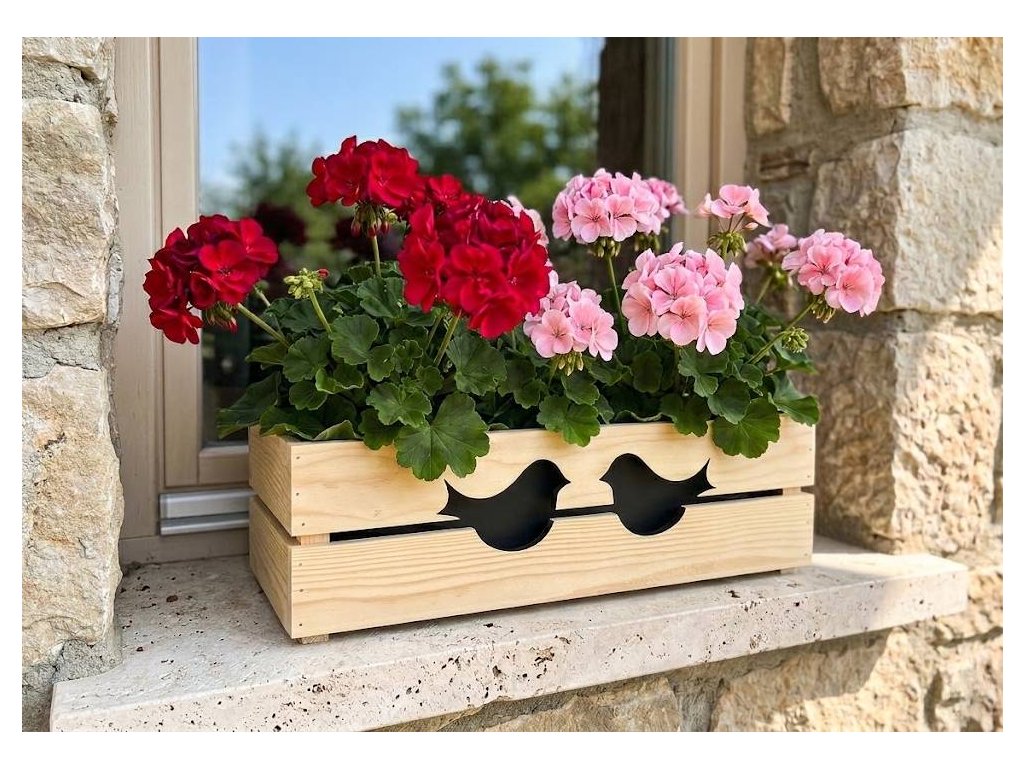
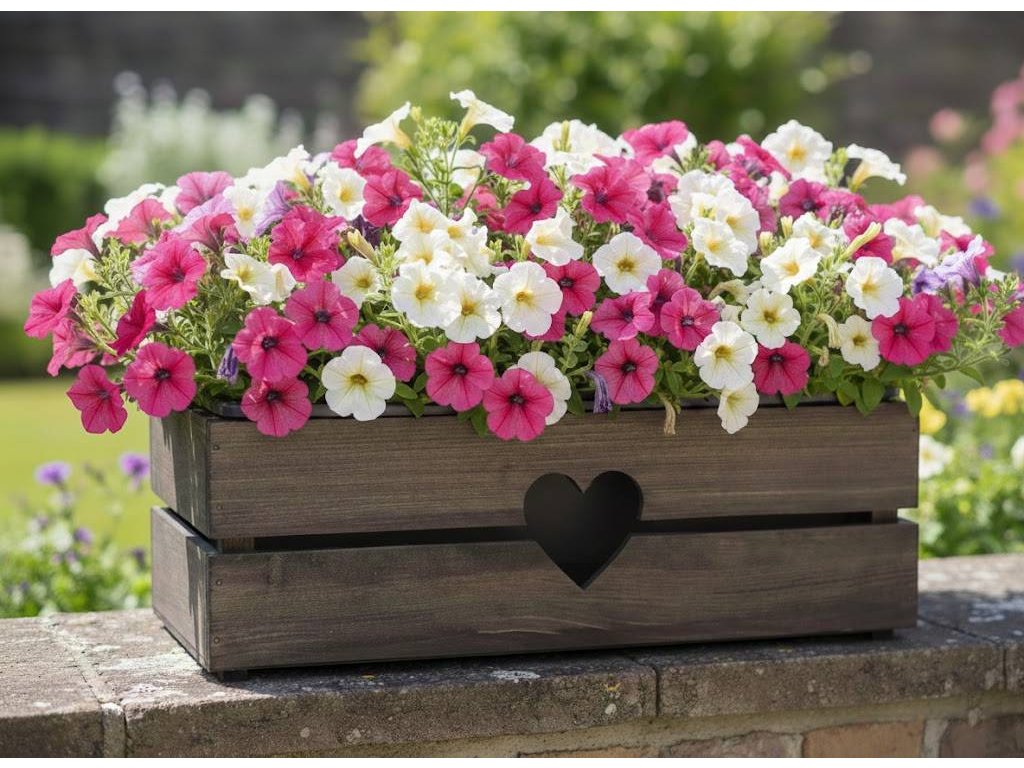
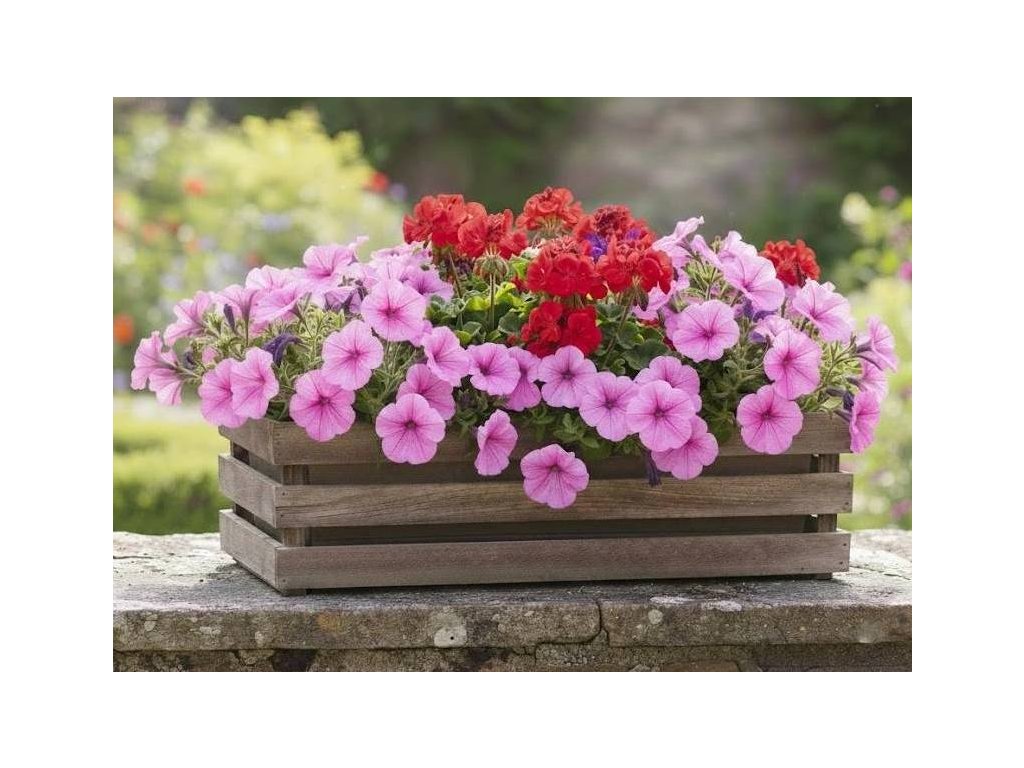
If you are looking for a new planter or planter cover, it is worth choosing not only by size but also by the style of your space. At AMADEA you will find decorative and versatile options suitable for a balcony, windowsill or terrace.
How to combine a wooden cover, an insert and planting
A simple system works very well: a decorative wooden planter cover on the outside, a protective or self-watering insert inside, and a gap between them to better separate the wood from direct moisture. This solution has several advantages:
- the wood stays protected for longer
- plants enjoy more stable conditions
- maintenance and changing the planting are easier
- the cover keeps its good looks for longer
This is especially handy for seasonal planting – flowers in spring, herbs in summer and heather or decorative arrangements in autumn. If you like to give your balcony or terrace a consistent style, you can also complement wooden planters with garden decorations or more flower pots and planters.
Is caring for wooden planters worth it?
Definitely. The right care is neither complicated nor time-consuming, but it can significantly extend the life of the product. When you protect the wood from direct moisture, check the finish regularly and prepare the planter properly for winter, it will reward you with a long life and a lasting good appearance.
Summary: If you want your wooden planter to last as long as possible, focus on four basics: protecting the inside from moisture, good drainage, regular impregnation and proper winter preparation. Plastic liners and self-watering solutions can also be a practical help – they make plant care easier and help protect the wooden cover.
Browse the range of wooden planters, covers and accessories from AMADEA and choose a solution that is both beautiful and practical for everyday use.
View wooden plantersFrequently asked questions
How long does a wooden planter last?
With proper care, protection from moisture and regular impregnation, a quality wooden planter can last for many years.
Do I need to use sheeting inside a wooden planter?
In most cases, yes. Sheeting or a liner helps protect the wood from direct contact with wet compost and significantly extends the life of the cover.
Does a self-watering insert in a wooden cover make sense?
Yes, a self-watering solution can make plant care easier, help keep the compost more evenly moist and at the same time limit direct contact between water and wood.
How often should I treat a wooden planter?
Usually once every 1 to 2 years is enough, but it always depends on where the planter stands and how exposed it is to rain and sun.
Can a wooden planter stay outside all year round?
Yes, but it is best to protect it from prolonged moisture, not leave it standing in water, and before winter check it, clean it and ideally move it to a sheltered place.
Author: Martin Portych – specialist in wooden products, gift advice and shop content
Editorial policy: Our content is based on the day-to-day practice of the AMADEA shop, the real needs of our customers and a commitment to clear, useful and trustworthy information.